Here’s a wild thought experiment: What if you could sound like Morgan Freeman reading your grocery list?
Or have Darth Vader narrate your YouTube video? Or better yet, clone your own voice so perfectly that even your mom couldn’t tell the difference?
That’s not science fiction anymore — that’s Tuesday afternoon with Uberduck AI voice technology.
I’ve spent the last three months diving deep into Uberduck’s platform, testing everything from their starter plan to their advanced features, and I can tell you this: we’re witnessing something genuinely transformative in content creation.
This isn’t just another AI voice generator throwing robotic speech at you. Uberduck has built something that’s equal parts powerful AI technology and creative playground, and it’s changing how content creators think about audio.
Here’s what I discovered, why it matters, and whether you should jump on this particular AI bandwagon.
What Actually Makes Uberduck Different
Uberduck AI voice isn’t trying to be everything to everyone — and that’s exactly why it works.
While most text-to-speech tools focus on corporate presentations and accessibility (important stuff, don’t get me wrong), Uberduck went a different direction. They asked: “What if we made AI voices that could actually sing, rap, and have personality?”
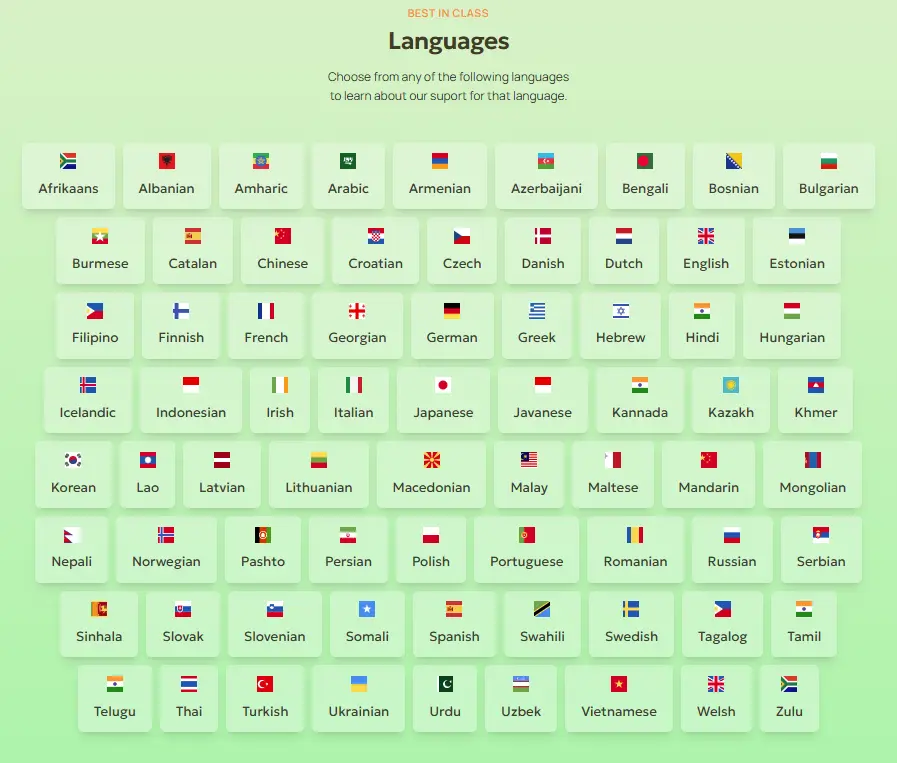
The result is a platform that offers over 4,000 AI-generated voices, 70+ supported languages, including celebrity voices, cartoon character voices, and the ability to create custom voice clones from your own voice.
But here’s the best part: it actually sounds good.
We’re not talking about the robotic, stilted AI voices of five years ago. These are expressive voices with personality, inflection, and genuine character.
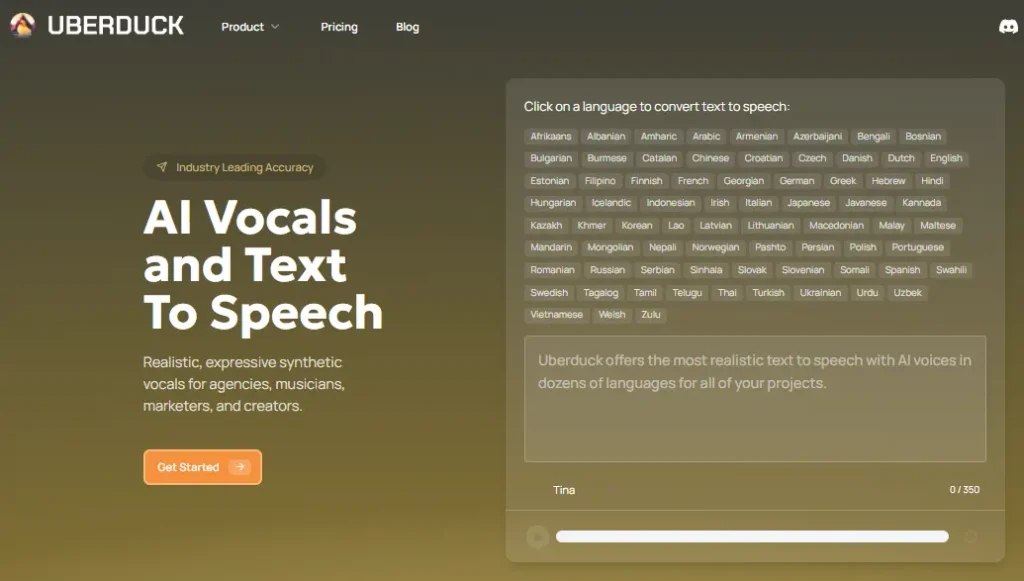
The user-friendly interface immediately signals that this isn’t enterprise software trying to masquerade as consumer tech.
Everything is laid out logically, with clear categories for different voices, straightforward controls for customization options, and a design that actually makes sense.
You can be generating audio content within minutes of signing up.
The Starter Plan: It’s Actually Good, I Swear
Let’s talk about Uberduck’s Starter Plan, because — let’s be real — this is where most of us are going to start, and it’s way better than it has any business being.
For a low 4$ monthly fee, you get a solid 1,000 credits to play with every month.
That’s enough to experiment with a ton of voices, try out private voice features for a few months, and basically get a feel for what Uberduck can do without feeling like you’re being nickel-and-dimed.
This isn’t some crippled demo that leaves you wanting more — it’s a legit, usable tier that actually lets you do stuff.
You can create custom voices, mess around with celebrity impressions (for fun, not for profit), and generate audio for your own projects.
I spent a month cranking out everything from dramatic readings of public domain poetry to AI-generated renditions of “Happy Birthday” in various accents. The results were consistently impressive, and the platform is so easy to use that you’ll actually enjoy yourself instead of wrestling with a clunky interface.
Sure, there are limits: you can’t use your creations for commercial purposes, and you’re capped at 1,000 credits a month.
But for dabblers, educators, or anyone who just wants to turn text into audio for accessibility or entertainment, the Starter Plan is a shockingly good deal. Honestly, at 4$ per month, it’s the rare cheap plan that doesn’t feel like a bait-and-switch.
Voice Cloning: The Technology That Changes Everything
Here’s where Uberduck gets genuinely impressive: custom voice cloning.
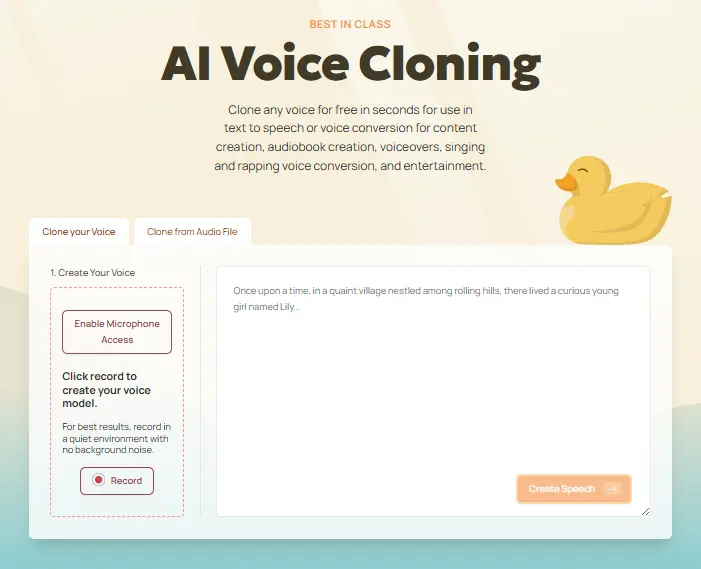
You record a short sample of your own voice — we’re talking seconds, not hours — and their AI technology creates a voice model that can speak, sing, or rap anything you type.
I tested this extensively with my own voice, and the results were unsettling in the best possible way.
The cloned version captured not just my vocal tone but subtle inflections and speech patterns I didn’t even realize I had.
When I had colleagues listen to original recordings versus AI-generated clips, they struggled to identify which was which.
The custom voice cloning opens up new creative possibilities that go way beyond traditional text-to-speech applications.
Content creators can maintain consistent narration across projects without recording sessions.
Authors can create audiobook versions of their work in their own voice without spending days in a recording studio.
Business owners can create AI voiceovers for marketing materials that maintain their personal brand voice.
But it’s the creative applications that really showcase the technology’s potential.
I watched one user create an entire podcast episode where historical figures debated modern issues, another who made custom voice clones for video game characters, and countless creators using celebrity voices for meme content that actually sounds convincing.
AI Music and the Rap Generator: Where Things Get Fun
Most AI voice platforms stick to speech.
Uberduck said “hold my beverage” and built an entire AI music creation system.
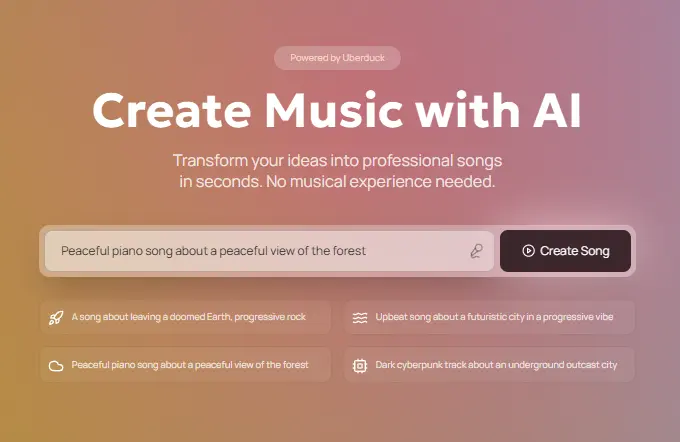
The AI vocals feature lets you type lyrics and have them performed in singing voices across different musical styles.
But the rap generator is where the platform really flexes its creative muscles. You input a topic, select from various rap styles (Boom Bap, West Coast, East Coast, etc.), and the AI generates both lyrics and vocal performance with authentic flow and rhythm.
I spent way too much time creating AI-generated rap tracks about everything from software reviews to cooking recipes.
The results ranged from surprisingly good to hilariously entertaining, but they were always listenable.
The AI music capabilities transform the platform from a utility into a creative instrument.
Content creators are using this for YouTube video intros, podcast themes, and social media content that stands out in crowded feeds.
Musicians are experimenting with AI vocals as creative inspiration or placeholder vocals during songwriting.
Even businesses are creating branded audio content with personality that traditional corporate voiceovers can’t match.
The Wide Range of Applications (And Why That Matters)
After extensive testing, I’ve identified where Uberduck excels and where it doesn’t quite hit the mark.
Content Creation and Social Media: This is Uberduck’s sweet spot. YouTube video creators can generate character voices for animated content, add celebrity voice cameos for entertainment value, or create consistent narration without repetitive recording sessions.
TikTok and Instagram creators are using the platform for viral audio content that leverages recognizable voices and characters.
Educational Content and Accessibility: Teachers and course creators can generate diverse voices for different characters in educational narratives.
The variety of voices helps maintain student engagement, while the text-to-speech functionality provides crucial accessibility support for users with visual impairments or reading difficulties.
Professional Use and Business Applications: Here’s where things get more nuanced.
While Uberduck offers API access and enterprise features, it’s clearly optimized for creative projects rather than corporate communications.
Customer service applications work well for brands with personality, but traditional business communications might be better served by more conservative AI voice platforms like ElevenLabs.
Gaming and Interactive Media: Video game developers and interactive media creators are finding significant value in Uberduck’s character voices and customization options.
The ability to generate diverse character voices quickly and affordably makes it practical for indie developers and small studios to add professional-quality voice acting to their projects.
What Doesn’t Work (And Why That’s Important to Know)
Uberduck isn’t perfect, and being honest about limitations is crucial for making informed decisions.
The AI-generated voices, while impressive, still occasionally hit uncanny valley territory.
Complex emotional content or highly technical material sometimes comes out stilted or unnatural.
The celebrity voices are good enough for entertainment and meme content but might not pass close scrutiny for professional applications.
The seamless integration with other platforms is limited compared to more enterprise-focused competitors.
If you’re building complex workflows or need deep API integration with existing business systems, you might find the current feature set constraining.
Sound effects and background audio mixing aren’t Uberduck’s strength.
While you can generate great vocal content, you’ll need other tools for comprehensive audio production workflows.
Pricing That Actually Makes Sense
The Creator Plan at $60 annually (effectively $5 monthly) represents remarkable value for the feature set. You get 3,600 render credits monthly (12 times the free allotment), commercial usage rights, API access, the full voice library, AI image generation, custom AI image clones, and AI-generated raps.
For content creators, small businesses, or educators, this pricing is almost embarrassingly reasonable.
The Pro Plan, at $360 annually (effectively $30 monthly), is designed for power users and fast-growing businesses that need serious scale.
You get a massive 25,000 monthly credits — enough for high-volume projects — plus commercial usage rights, API access, the full voice library, AI image generation, custom AI image clones, and AI-generated raps. On top of all that, Pro users benefit from priority support with a 24-hour response time, making it a robust package for creators who need both flexibility and reliability.
The Enterprise plan offers custom pricing for organizations with specific needs like bulk voice cloning, collaboration features, and dedicated support. While pricing isn’t public, the value proposition scales well for teams and larger organizations.
Most competitors charge significantly more for comparable features, particularly for voice cloning and music generation capabilities.
Uberduck’s pricing strategy clearly prioritizes accessibility over premium positioning.
The Technology Under the Hood
Uberduck’s AI technology represents a thoughtful approach to voice synthesis that balances capability with usability.
The platform uses advanced neural networks trained on diverse voice datasets to achieve the natural-sounding speech and expressive character voices that set it apart from traditional text-to-speech tools.
The voice actor library includes not just celebrity voices and famous voices, but also purpose-built character voices optimized for different content types.
Whether you need a trustworthy narrator, an animated cartoon character, or an energetic game show host, the voice selection covers most creative scenarios.
What impresses me most is how the platform handles different features without overwhelming users.
Voice conversion, custom voice cloning, AI music generation, and traditional text-to-speech all coexist in a simple interface that doesn’t feel cluttered or confusing.
Real-World Testing: What Actually Works
I put Uberduck through practical scenarios that mirror real content creation workflows:
-
- YouTube Video Production: Generated character voices for animated explainer videos, created consistent narration across multiple episodes, and added celebrity voice cameos for entertainment segments. Results were consistently usable, often impressive.
- Podcast Enhancement: Used voice cloning to maintain consistent audio quality across recording sessions, generated intro/outro content with AI music, and created character voices for narrative segments. The platform handled episodic content production well.
- Educational Material Creation: Developed course content with diverse character voices to maintain student engagement, created accessible audio versions of written materials, and generated language learning content in various languages. The educational applications proved particularly strong.
- Marketing and Business Content: Created branded audio content with custom voice clones, developed short-form promotional materials, and tested customer service applications.
Results were mixed — great for creative brands, less ideal for conservative business communications.
The Competition Landscape (And Where Uberduck Fits)
ElevenLabs offers superior speech realism but lacks Uberduck’s music and entertainment focus.
Speechify excels at accessibility applications but doesn’t match Uberduck’s creative capabilities.
Descript provides better audio editing integration but can’t match the voice variety and generation options.
Uberduck occupies a unique position in the AI voice landscape: it’s the platform for creators who want personality, character, and creative flexibility rather than just functional speech synthesis.
If you need corporate-grade speech for business applications, other platforms might serve better.
If you want to create engaging, entertaining, or genuinely creative audio content, Uberduck is currently unmatched.
Getting Started: The Practical Approach
-
- Start with the Starter Plan and experiment extensively. The 1000 monthly credits provide enough testing to understand whether the platform fits your specific needs. Focus on voice selection first — the sheer variety can be overwhelming, but finding 3-4 voices that work for your content style creates a foundation for consistent results.
- Test voice cloning early if it’s relevant to your use case. The technology is impressive, but understanding its capabilities and limitations early prevents unrealistic expectations later.
- Explore the AI music features even if you’re not primarily interested in music creation. The creative possibilities often inspire content directions you hadn’t considered.
- Join the community and Discord channels. The user base is genuinely helpful, and seeing how others use the platform often reveals applications you hadn’t thought of.
The Future Implications
Uberduck represents something bigger than just another AI tool — it’s part of the democratization of content creation.
Professional-quality voice work, previously requiring expensive voice actors or extensive recording equipment, is now accessible to anyone with internet access and creative vision.
This accessibility shift creates opportunities for independent content creators, small businesses, and educational institutions that couldn’t previously afford professional audio production.
It also raises important questions about voice ownership, celebrity likeness rights, and the changing nature of voice acting as a profession.
The platform’s emphasis on creative applications rather than pure utility suggests a future where AI tools serve as creative partners rather than simple automation.
The best results I achieved came from using Uberduck as a creative instrument rather than a replacement for human creativity.
The Bottom Line
Uberduck AI voice technology has reached the sweet spot where capability, usability, and accessibility converge into something genuinely useful.
It’s not perfect — no AI platform is — but it’s good enough to create real value for content creators, educators, and creative professionals.
The starter plan eliminates barriers to experimentation, the pricing is reasonable for serious users, and the feature set addresses real creative needs rather than theoretical use cases.
Most importantly, it’s fun to use, which matters more than you might think for tools that rely on creative experimentation.
Whether you’re a content creator looking to enhance your audio production, an educator seeking engaging instructional materials, or just someone curious about AI voice technology, Uberduck offers a compelling entry point into a technology that’s reshaping how we think about voice and audio content.
The question isn’t whether AI voice technology will become ubiquitous — it already is.
The question is whether you’ll be among the early adopters who figure out how to use it creatively, or someone playing catch-up later.
Based on my testing, Uberduck makes a strong case for jumping in now, while the technology is still novel enough to give creative users a genuine advantage.
The learning curve is manageable, the results are immediately useful, and the creative possibilities are genuinely exciting.
Your voice, amplified by AI, creating content you never thought possible.
That’s not a marketing pitch — that’s Tuesday afternoon in 2025, and it’s pretty remarkable.
Try UberDuck.ai: Best AI music voice generator today!