

Table of Contents Toggle What Actually Makes an Anime AI Generator Work The Heavy Hitters: Professional Anime AI Art Generators User-Friendly Options: Great Results Without the Complexity Specialized Tools Worth Knowing What to Look for in an Anime AI Art Generator The Creative Process: Making AI Work for You Free vs. Paid: What’s Actually Worth Your Money Real-World Applications: Beyond Just Making Cool Pictures The Ethical Landscape: Using AI Responsibly What’s Next: The Future of Anime AI Getting Started: Your Action Plan The Bottom Line
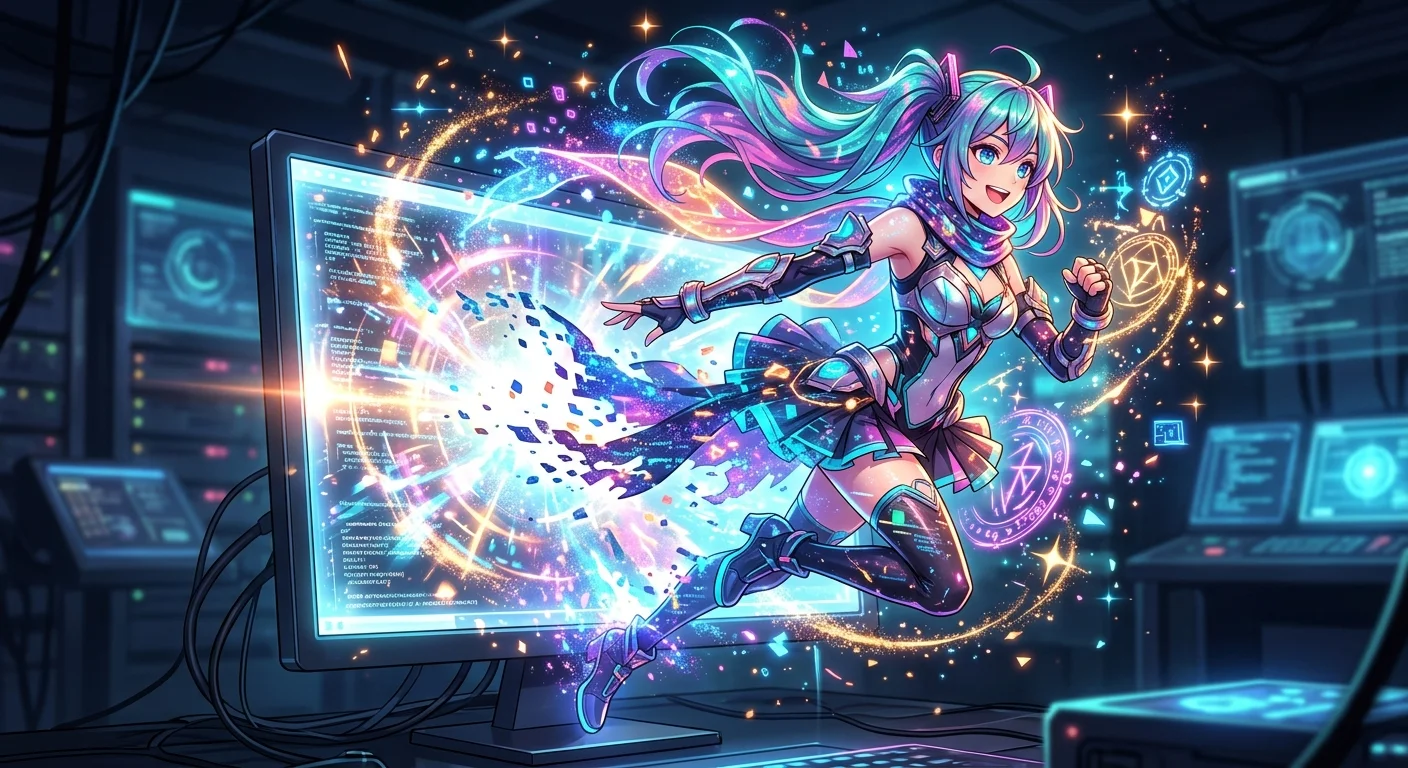
Picture this. It’s a random Tuesday morning, you grab your phone, type “a magical anime girl with starlight eyes standing in a cyberpunk cityscape,” and hit generate. Thirty seconds later, your exact vision is staring back at you in stunning detail.
No drawing skills. No art school debt. Just your imagination and an AI that knows what you’re going for.
That’s where we are right now — and honestly, it still catches me off guard sometimes.
I’ve spent the last six months putting every major anime AI art generator through its paces. Free tools, expensive professional suites, AI anime video generators that’ll run you hundreds a month — I’ve tried them all. I’ve generated thousands of anime characters, turned regular photos into anime-style images, and watched these tools go from fun gimmicks to genuinely powerful creative platforms.
Here’s what surprised me most: the best AI anime art generators aren’t just mimicking traditional art. They’re blowing the doors open for anime fans, content creators, and anyone who’s ever sketched an original character on the back of a napkin and wished they could make it real.
AI Anime Generation in 2026: What’s New
Update (April 2026): Things have moved fast. Here’s what actually changed:
Consistency is solved. Remember how every generation gave you a slightly different-looking character? That headache is mostly gone. Tools like NovelAI and Midjourney v6+ keep characters looking the same across multiple images — which means manga-style storytelling actually works now.
Animation from static images. This one’s wild. Take any AI-generated anime image and animate it with tools like Kling or Veo. One character portrait becomes a 10-second animated clip. (We’ve got a full AI video generation guide if you want the details.)
Style control got specific. You’re not just crossing your fingers and hoping anymore. Want Ghibli? Makoto Shinkai? That 90s cel-shaded look? You can reference exact anime styles and actually get what you asked for.
Free options got way better. Several tools that were paid-only in 2025 now have solid free tiers for anime art generation. For image generation beyond anime, check out GetImg AI and Imagine.art in our AI tools directory.
What Actually Makes an Anime AI Generator Work
An anime AI art generator is basically an AI image generator that’s been trained specifically on anime-style art. Think of it like an artist who’s studied every frame of Dragon Ball, absorbed everything Studio Ghibli ever made, and memorized character designs from thousands of series — except this artist works at inhuman speed and doesn’t need coffee breaks.
So how does it actually work?
Machine learning models — mostly Stable Diffusion and the newer FLUX.1 systems — get trained on massive datasets of anime images. When you type “anime girl with blue hair,” the AI isn’t throwing random pixels at a wall. It understands anime proportions, style conventions, and the visual language that makes anime look like *anime*.
These tools handle a few different types of generation:
- Text-to-image — build anime characters from scratch using text prompts
- Image-to-image — convert regular photos into anime-style images
- Pose-to-image — control exactly how your anime avatar stands or moves
And we’re way past the “kinda looks like anime if you squint” stage. Modern anime AI generators produce character designs that genuinely look like they came out of a professional production. I’ve shown AI-generated characters to friends who watch anime religiously, and they couldn’t tell.
The Heavy Hitters: Professional Anime AI Art Generators
Midjourney Niji 6: The Gold Standard
Midjourney’s Niji 6 model is what you get when already-impressive AI image generation gets fine-tuned specifically for anime aesthetics. It’s not just another anime generator — it *gets* anime at a level that’s hard to explain until you see the output.
What makes it special? Artistic composition. It doesn’t just slap an anime character on a background. It builds scenes with proper lighting, dynamic poses, and that hard-to-define quality that makes great anime visuals feel alive. The 2025 updates also added Japanese text rendering, so you can generate manga-style panels with authentic text elements. Finally.
Pricing runs $8 to $96 per month depending on how much you’re generating. That’s not cheap. But if you’re doing serious creative work — content creation, concept art, visual storytelling — the quality earns its price tag.
Flux AI: Speed Without Sacrifice
Flux AI tackled the one thing that drives everyone crazy about AI art generation: waiting.
According to benchmark tests, Flux generates comparable quality images 3-5 times faster than other leading tools. That’s not a small edge. When you’re iterating on character designs or grinding through commercial purposes projects with tight deadlines, that speed difference changes everything.
The platform offers specialized anime character templates that help maintain consistency across multiple generations. If you’re developing an original character for a story or game, that consistency is a lifesaver. Pricing starts free and scales up to $49/month for professional features.
Stable Diffusion: The Customization King
Stable Diffusion — particularly through ComfyUI workflows — gives you control over the creative process that nothing else really matches. This is the tool for users who want to fine-tune every aspect of their anime AI creations.
You can control character consistency, style preservation, and even train custom models for specific anime aesthetics. The learning curve? Steep. But the payoff is complete creative control.
If you’re serious about anime artistry and don’t mind getting technical, Stable Diffusion can produce results that other tools simply can’t touch.
User-Friendly Options: Great Results Without the Complexity
AnimeGenius: The Free Powerhouse
AnimeGenius proves you don’t need to spend money to get impressive results. This free AI anime generator offers over 100 different filters and styles — everything from classic anime characters to more specialized aesthetics like cyberpunk or fantasy themes.
What impressed me most? The variety of generation methods. You can do standard text-to-image creation, transform photos into anime style, use pose control with 3D models, or even do face swaps to put yourself into anime scenarios. The daily credit system is generous enough for serious experimentation.
The platform has reached 2.5 million users. Browse the community gallery and you’ll see the incredible range of anime AI art people are creating. It’s become a go-to for anime fans who want professional-quality results without the professional price tag.
MyEdit: Social Media Ready
MyEdit by CyberLink bridges the gap between AI art generation and practical content creation. With 23 distinct anime aesthetics and built-in photo editing tools, it’s built for content creators who need anime-style images for marketing materials, profile pictures, or social media content.
Background removal, filters, automatic cropping for various social media formats — this is more than just an AI anime art generator. It’s a complete content creation workflow. Free daily credits work for regular use, and the paid tiers won’t break the bank.
Canva’s AI Arsenal
Canva has integrated multiple AI image generators (Magic Media, DALL-E, and Imagen) into their platform, making anime art creation part of a larger design ecosystem. Already using Canva for other creative projects? Their anime AI capabilities slot right into existing workflows.
The template library approach works especially well for marketing materials and social media content. Generate anime-style art and immediately drop it into professionally designed layouts. No exporting, no switching apps.
Specialized Tools Worth Knowing
WaifuLabs: Portrait Perfection
WaifuLabs does one thing extremely well: creating personalized anime portraits. The 4-step process guides you through character creation with an intuitive interface that requires zero technical knowledge.
It’s completely free. No registration needed. And it consistently produces high-quality anime avatars.
For anime fans who want custom profile pictures or character designs, WaifuLabs often produces better portraits than more complex tools. Sometimes specialization beats versatility.
GetImg.ai: The Technical Powerhouse
GetImg.ai offers 14 anime-based AI models plus advanced features like ControlNet integration and custom model training through DreamBooth. This is where you go when standard anime AI generators aren’t specific enough for your creative needs.
The ability to train custom models means you can create an AI anime art generator specifically tuned to your preferred style or character types. It’s technical — but the results can be uniquely yours.
What to Look for in an Anime AI Art Generator
I’ve tested dozens of tools at this point. Here are the features that actually matter:
Generation Quality and Consistency: The best AI anime art generators produce images that look genuinely anime-inspired — not generic art with anime elements slapped on. Look for tools that understand anime character proportions, facial features, and style conventions.
Variety of Styles: Anime covers everything from classic 80s aesthetics to modern digital art. Great tools offer multiple anime styles rather than just one narrow interpretation of what “anime” should look like.
User Interface Design: Complex doesn’t mean better. The most effective anime AI generators balance powerful features with intuitive interfaces you don’t need a manual to figure out.
Speed and Reliability: If you’re doing serious creative work, generation speed matters. Tools that take minutes per image? They kill the creative flow.
Commercial Rights: Check the terms of use and privacy policy if you plan to use AI-generated images for commercial purposes. Some tools restrict commercial use or require attribution. Don’t skip this step.
The Creative Process: Making AI Work for You
The key to great anime AI art isn’t just
picking the right tool — it’s learning how to actually talk to these AI systems. Here’s what I’ve picked up after way too many hours of experimenting:
**Be Specific About Style:** “Anime girl” gets you something generic and forgettable. But “anime girl in Studio Ghibli style with flowing hair and a determined expression”? Now the AI has something real to work with. The difference is night and day.
**Understand Anime Conventions:** These generators were trained on anime data, so they already know the visual language. Want a specific look? Reference series like Astro Boy or Dragon Ball. The AI picks up on those aesthetic cues fast.
**Iterate and Refine:** Your first attempt probably won’t be the one. That’s normal. Generate a bunch of variations, figure out what’s clicking, and tighten your prompts from there.
**Combine Tools:** Different tools are good at different things. I’ve had great results generating a character in one app, then running it through another for background work or style transfer.
Free vs. Paid: What’s Actually Worth Your Money
Free options have gotten shockingly good. Tools like AnimeGenius and WaifuLabs pump out professional-quality anime art without costing a dime. If you’re a casual fan or just dabbling in creative projects? Free tools will probably cover you.
So when does paying make sense? When you need:
- Unlimited generation for content creation workflows
- Commercial usage rights for business projects
- Higher resolution outputs for print or professional work
- Advanced customization for a very specific artistic vision
- Priority processing when you’re on a deadline
My advice? Start free. Figure out what you actually need. Then upgrade only when the free limitations start getting in your way — not before.
Real-World Applications: Beyond Just Making Cool Pictures
Content Creation: YouTube creators, bloggers, and social media folks use anime AI art for thumbnails, channel art, and visual content. Commissioning a human artist for every thumbnail? That adds up quick. AI handles the volume.
Game and App Development: Indie devs are using AI-generated anime characters for prototyping, concept art, and sometimes even final assets. The speed advantage over traditional art pipelines is huge when you’re a small team.
Marketing and Branding: Companies going after anime-loving demographics use these tools for marketing materials, product mockups, and brand mascot design.
Personal Projects: Custom profile pictures. Original character designs for that novel you’re writing. Anime AI generators have made character creation accessible to hobbyists who never had the budget for commissions.
The Ethical Landscape: Using AI Responsibly
AI-generated art has kicked off some real debates — artist attribution, fair use, the impact on people who draw for a living. I’ve been testing these tools for months, and here’s where I’ve landed:
AI anime art generators are tools. Not replacements for human creativity. The best results still need your judgment, your vision, your creative direction. These tools lower the barrier to visual creation, but they don’t make creative skills irrelevant.
Be upfront about AI-generated content, especially if you’re using it commercially. A lot of platforms now require disclosure. Even where they don’t, transparency is just good practice.
And respect the artists and studios whose work helped train these models. Use AI tools, sure — but support human artists and official anime productions too. They can coexist.
What’s Next: The Future of Anime AI
The direction is pretty obvious. These tools are getting faster, more accurate, and easier to use every year. We’re already seeing early AI anime video generators that can produce short animated clips.
Real-time generation is becoming a thing — imagine live anime avatars for streaming or virtual meetings. Voice synthesis combined with anime AI art could let you build complete animated characters from a text description. And VR/AR applications? People stepping into anime worlds filled with their own AI-created characters? That’s coming.
But honestly, the most exciting part might be what this means for indie creators. Tools that used to require entire production teams and serious budgets are landing in the hands of individuals. I think we’re about to see a wave of indie anime content from small teams who’d never have had the resources before.
Getting Started: Your Action Plan
Start with free options like AnimeGenius or WaifuLabs. Get a feel for what’s possible before you spend anything.
Define your goals early. Are you making social media content? Developing characters for a story? Just messing around? Different tools shine in different areas.
Learn prompt engineering basics. Your results are only as good as your descriptions. This is the skill that separates “meh” outputs from “wow” outputs.
Join communities around your chosen tools. The anime AI art community shares tips, techniques, and inspiration generously. Why figure everything out alone?
Experiment a lot before going paid. You need time to understand what you actually want from these tools.
Keep practicing and stay curious. This tech moves fast. New techniques pop up constantly, and what’s cutting it today might be outdated in six months.
The Bottom Line
Anime AI art generators have moved past the “neat experiment” phase. They’re legitimate creative tools now. Whether you’re an anime fan who wants custom artwork, a content creator who needs visuals on demand, or someone just exploring digital art — there’s an AI anime generator that fits what you’re doing and what you’re willing to spend.
Is the tech perfect? No. It still struggles with complex scenes, hands
are often problematic, and truly unique artistic vision still needs a human behind it. That’s just reality.
But here’s the thing — for *most* anime art needs, AI generators are producing results that would’ve blown our minds just a few years back. We’re talking professional-quality characters, detailed scenes, full compositions. All generated in seconds.
The dream of instantly creating anime art that actually looks good? It’s not a dream anymore. It’s a regular Tuesday morning in 2025, and these tools are right there waiting for you.
So what anime world are you going to build first?